What Is a Plush Mattress? | Meaning, Feel & Benefits
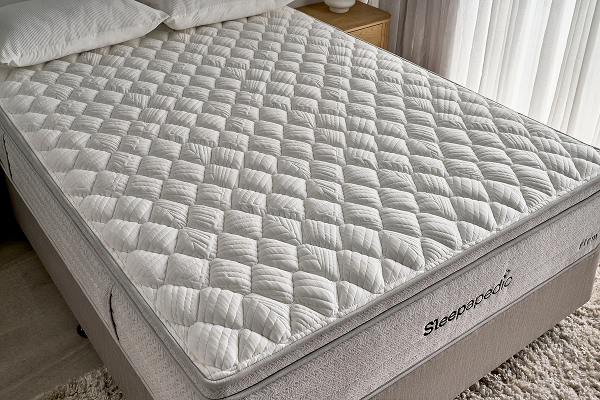
If you've ever stayed somewhere with an incredibly comfortable, cloud-like bed and spent the whole trip wondering what type of mattress it was, chances are it was a plush.
Softer and more cushioned than a firm or medium feel, a plush mattress contours to your body and relieves pressure around your shoulders and hips, giving you that proper "melt into bed" feeling.
But is a plush mattress right for you? Before making a decision, it's worth thinking about your sleep position and what your body needs from a mattress. Read on for everything you need to know before making the final call
Key takeaways
- A plush mattress provides a soft, cushioned sleeping surface.
- Plush beds include extra comfort layers such as foam or pillow tops.
- They offer excellent pressure relief for hips and shoulders.
- Plush mattresses are often ideal for side sleepers and lighter body weights.
- Firmer mattresses may suit stomach sleepers or heavier sleepers.
What is a plush mattress?
Plush mattresses are designed with extra cushioning to create a comfortable, sink-in feel while supporting the spine.*
The term refers to the plush mattress firmness level, which sits at the softer end of the scale. That softness comes from the comfort layers built into the top of the mattress, which can include:
- Memory foam: moulds to the shape of your body and helps relieve pressure points.
- Latex foam: naturally bouncy with a softer, more responsive feel.
- Pillow-top layers: an extra-padded section sewn onto the top of the mattress for immediate surface softness.
These layers work together to give you that cushioned, cradling feeling the moment you lie down.
If you want to explore other mattress styles, check out our full range of mattresses.
What does a plush mattress feel like?
The best way to define a plush mattress is a bed that gently hugs you!
The top comfort layers contour your body and offer a soft sinkage. The top comfort layers contour your body and offer a soft, cradling sinkage.
This is beneficial for side sleepers because when you lie on your side, your hips and shoulders bear most of your body weight and protrude further than the rest of your body, creating intense pressure points. A plush mattress allows these areas to sink in and be cushioned rather than pushed back against, keeping your spine in a neutral alignment
Soft Mattress vs Plush: What's the difference?
Soft mattresses aren't the same as plush mattresses.
A soft mattress is soft throughout, so your body sinks more deeply into it, but sometimes at the expense of support and alignment.
A plush mattress gives you a balanced feel. It's softer on top, but supported underneath. The comfort layer provides a cushioned, pressure-relieving feel, while the base layer supports your body's alignment.
Here's how it compares to other firmness levels:
- Medium mattress: A balanced feel that offers both support and comfort without too much sinking. Less contouring than plush, but more give than a firm mattress.
- Firm mattress: A solid, flat sleeping surface with very little sinkage. Keeps the spine in a neutral position and is best for those who need more structural support.
Types of plush mattresses
Not all plush mattresses are built the same way. Here's what you should know before you commit to one:
Pillow-top plush mattress
A pillow-top mattress has an extra-padded top layer for immediate surface softness. They're one of the most popular plush mattresses and are great for sleepers who want that classic "cloud" feel.
Tip: Rotate it regularly to avoid a noticeable compression over time.
Memory foam plush mattress
Memory foam contours closely to your body, providing ideal pressure relief. A plush memory foam mattress has thicker or softer foam layers in the comfort zone, giving you a deeper sink and more body-hugging feel.
Tip: Memory foam can retain heat, so if you run warm at night, keep a look out for options with cooling gel or breathable covers.
Hybrid plush mattress
Hybrid mattresses combine an innerspring coil base with foam or pillow-top comfort layers. They offer the contouring and softness of foam with the added airflow and responsiveness of springs. It's a good middle ground for sleepers who want plush comfort without feeling like they're sinking too much.
Plush vs medium vs firm: what's the difference?
| Mattress Type | Feel | Sinkage | Best For |
| Plush | Soft, cushioned, body-contouring | Deep | Side sleepers, lightweight sleepers |
| Medium | Balanced — neither too soft nor too firm | Moderate | Combination sleepers, most body types |
| Firm | Supportive, flat sleeping surface | Minimal | Stomach sleepers, heavier sleepers |
Not sure which one suits you? Check out our guide on how to choose the perfect mattress.
What are the benefits of a plush mattress?
Plush mattresses don't just feel luxurious. They also offer practical benefits that can make a real difference to how you sleep — especially since we spend about a third of our lives in bed.
Pressure relief for hips and shoulders
The extra cushioning in a plush mattress helps distribute body weight more evenly, preventing unwanted pressure on areas like the hips and shoulders. This can make a real difference for people who experience soreness or stiffness in the morning.*
Comfort for side sleepers
When you sleep on your side, your hips and shoulders take on most of your body weight. A plush mattress allows those areas to sink in gently, helping to keep your spine better aligned than on a firmer surface.*
Motion absorption for couples
Plush mattresses, particularly memory foam and hybrid plush options, do a good job of absorbing movement. This is great if you share a bed with a partner who tosses and turns throughout the night.
Luxurious comfort
Sometimes it's simple: plush mattresses feel more comfortable. The softer surface can make it easier to fall asleep and stay comfortable through the night, while also creating a slightly warmer feel for those who run cold.
Who should choose a plush mattress?
A plush mattress isn't for everyone, but for the right sleeper, it can make a noticeable difference in comfort and support.
Here's who tends to benefit most:
Side sleepers
Side sleeping is one of the most common sleep positions, and it benefits most from the softness of a plush mattress. Plush helps cushion your hips and shoulders to keep your body aligned..*
Lightweight sleepers
Lighter sleepers don't sink as deeply into a mattress, so firmer options can feel too hard and don't provide much pressure relief. A plush mattress provides greater contouring, giving lighter bodies the cushioning they need to feel properly supported.*
People with pressure point pain
If you regularly wake up with soreness in your shoulders, hips or knees, a plush mattress can help. The cushioning layers are designed to absorb pressure at those contact points rather than push back against them.*
Pairing your mattress with the right pillows and bedding can make an even bigger difference to supporting your overall sleep.
If you're unsure whether it's time for a mattress upgrade, read our blog on how often to change your mattress.
Who should avoid a plush mattress?
A plush mattress isn't ideal if you need more support than softness. While it offers great pressure relief, a plush mattress can allow too much sinkage for some sleepers, especially if your body needs a more stable, supportive surface.
Stomach sleepers
For stomach sleepers, plush mattresses can cause the hips to sink too deeply, leading to an unnatural arch in the lower back and potentially discomfort or lower back pain over time.* Medium to firm mattresses are better for keeping the hips level.*
Heavier sleepers
Heavier sleepers may find that a plush mattress compresses too much under their weight, reducing support and causing it to wear out faster. Medium-firm to firm options offer better durability and support.*
People with lower back issues
Softer mattresses can let the lower back drop out of alignment. With this in mind, medium-firm to firm mattresses typically provide better lumbar support, but always seek healthcare advice if you're managing a specific condition.*
How to choose the right plush mattress
Choosing the right plush mattress comes down to a few key factors: how you sleep, what your body needs and what feels comfortable to you. Use this quick checklist to make sure you're picking the right fit:
- Sleep position: Side sleeper? Plush is usually a great fit. Back or stomach sleeper? A medium feel may offer better support.
- Body weight: Lightweight sleepers often benefit most from plush. Heavier sleepers may need something firmer for proper support.
- Mattress material: Memory foam, latex or hybrid? Each has a slightly different feel. If you can , try before you buy.
- Firmness preference: If you've slept on a firm mattress and consistently woken up sore, a plush or medium mattress may be a better fit.
- Bed base compatibility: Your bed frame plays a bigger role than most people think. A slatted or mesh-style base provides proper ventilation and support for your mattress, helping it perform better and last longer.
- Mattress size: Keep your sleep hygiene in check by choosing a mattress size that suits your sleep style and space
Adding a mattress protector will help keep your new mattress fresh and protected from day one.
Find your perfect plush mattress at Fantastic Furniture
A plush mattress offers a genuinely comfortable, pressure-relieving sleep experience for the right type of sleeper. If you're a side sleeper, a lightweight sleeper or someone who just wants a softer, more enveloping feel, it could be exactly what your bedroom's been missing.
Ready to upgrade your sleep? Explore Fantastic Furniture's full collection of mattresses and bedding to build the right sleep setup for you.
FAQs
What is a plush mattress?
A plush mattress is a soft mattress with extra cushioning comfort layers, such as memory foam, latex or pillow-top materials. This creates a gentle, body-contouring feel that helps relieve pressure points while supporting the spine.
Is a plush mattress good for your back?
It depends on your sleep position and the cause of your discomfort. Plush mattresses can help relieve pressure-related pain for side sleepers, but they may not provide enough support for stomach sleepers or those with lower back issues. If you're managing back pain, consult a healthcare professional for personalised advice.*
Is plush softer than medium?
Yes. Plush sits at the softer end of the firmness scale, while medium offers less sinkage. Medium mattresses generally suit a wider range of sleepers, whereas plush is best suited to side sleepers and lightweight sleepers.
Is a plush mattress good for side sleepers?
Yes, plush mattresses are often considered one of the best options for side sleepers. The soft comfort layers allow the hips and shoulders to sink in slightly, helping keep the spine aligned and reducing pressure-point discomfort.*
*This information is for educational purposes only and should not replace medical advice. If you're experiencing back pain or sleep-related health concerns, consult a healthcare professional.