What Is a Modular Sofa? Pros, Cons & Buying Guide
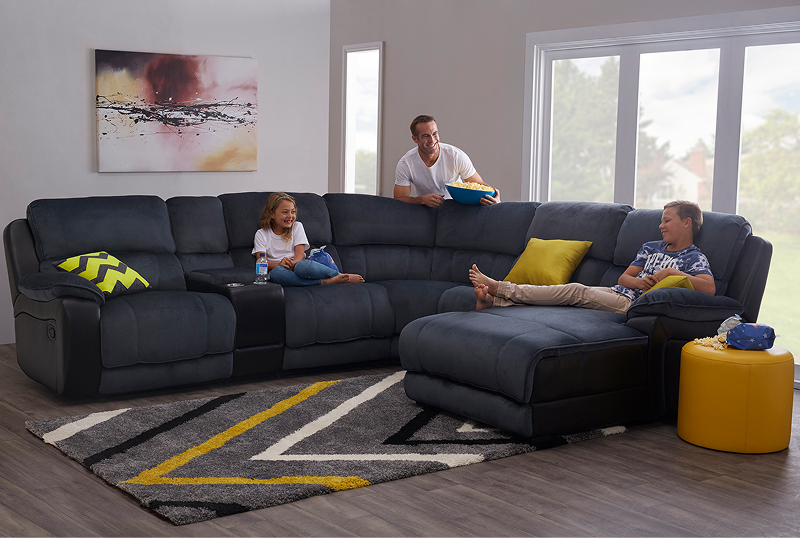
In the world of Australian interior design, the modular sofa is the ultimate "choose your own adventure" for your living room. But what is a modular sofa? It's a seating system made up of individual sections you can arrange, rearrange and add to as your space or lifestyle changes.
If you've ever tried to fit a traditional three-seater sofa through a narrow doorway or wished your lounge could magically grow when the whole family visits, then a modular couch could be the answer.
Whether you're furnishing a compact apartment or a sprawling open-plan home, this guide breaks down what is a modular couch, weighs the pros and cons of a modular sofa and helps you pick the perfect piece for your living space.
Key takeaways
- A modular sofa is made of separate pieces that can be rearranged for different layouts.
- They offer flexibility, adaptability and customisation.
- They work well in open-plan and changing living spaces.
- Consider room size, usage and upholstery care before buying.
- Sectionals are similar but typically less reconfigurable.
What is a modular sofa (or couch)?
The simplest modular sofa definition is a collection of independent sections (or "modules") that join together to form a larger seating unit. Unlike a traditional fixed sofa built on a single, solid frame, a modular couch is made of several components (such as corner units, armless middles and ottomans) that "click" or clip together.
Because these pieces are independent, you aren't locked into one look. You might start with a 3-seater modular for a small apartment and eventually add more pieces to create a sprawling 6-seater modular when you move into a larger home.
Modular vs sectional sofa — what's the difference?
Many Aussies use these terms interchangeably, but there is a key difference in how they function, and the way you use a modular versus a sectional can change how you style your entire room.
- Modular sofas: These emphasise total reconfigurability. Every piece is often finished on all sides, meaning you can move the chaise from left to right, or even split the sofa into separate armchairs if you're feeling a room refresh.
- Sectional sofas: These are typically designed for a predefined configuration, usually a fixed L-shape or U-shape. While they come in sections for easier delivery, they are usually intended to stay in one specific layout.
If you love a flexible sofa layout that can change with your mood (or your postcode), a modular sofa is your best bet.
Pros and cons: modular sofa
Every piece of furniture has its trade-offs, so it's worth weighing up the modular couch benefits against the practicalities of a modular set-up.
Pros
- Flexible layouts: Easily rearrange pieces to suit movie nights, parties or formal seating.
- Adapts to moving: Ideal for renters; simply reconfigure the pieces to fit your next floor plan.
- Defines open spaces: Acts as a "soft wall" to zone your lounge without blocking light.
- Total customisation: Mix and match fabrics, colours and module types for a unique look.
- Scalability: Start with a 4-seater modular and buy extra pieces as your family grows.
Cons
- Initial investment: Individual frames and finished sides can mean a higher upfront cost.
- Gap potential: Pieces may show slight gaps on uneven floors (pro tip: use a rug to keep them level).
- Detailed cleaning: More joins mean more "crannies" to vacuum.
- Space requirements: Modular sofas can be deep. Ensure you have 60cm of walkway space around the edges.
Pros and cons of modular sofas at a glance
If you're looking for a quick breakdown to see whether this seating style suits your lifestyle, we've summarised the main pros and cons of modular sofas below. This table highlights the key modular couch benefits, along with practical considerations to keep in mind before you buy.
| Feature | The Pros (Benefits) | The Cons (Considerations) |
| Versatility | Infinite layouts; pieces can be moved or split. | May require clips to stop pieces drifting apart. |
| Space Fit | Adapts to any room shape; grows as you do. | Can be bulky; needs space for walkways. |
| Lifestyle | Defines zones in open-plan Australian homes. | More "crannies" and joins to vacuum/clean. |
| Logistics | Delivered in sections; fits through tight doors. | Often a higher upfront investment per piece. |
Modular sofa anatomy: the building blocks
To create your perfect modular sofa layout, it helps to know what parts actually make up a modular lounge.
- The corner module: A square-shaped piece with two backs. It's the anchor for any L-shape or U-shape configuration.
- The armless middle module: the workhorse of the modular world. They have a back but no arms, allowing them to sit flush against other pieces. You can add as many as you like to extend the length of your sofa.
- The left-hand or right-hand facing (LHF/RHF) chair: These pieces have one arm and are used to "cap off" the ends of your sofa. Always check the "facing" from the perspective of looking at the sofa, not sitting in it!
- The chaise module: The ultimate for "feet-up" comfort. This module is elongated, allowing you to stretch out completely.
- The ottoman: Has no back or arms and can be used as a footrest, extra seating, or even a makeshift coffee table.
How do I choose a modular sofa?
Picking the right lounge involves more than just liking the colour. You also need to consider the practical flow of your home.
Measure your space first
Don't just measure the wall, measure the "flow." Use masking tape on the floor to draw out the sofa's footprint. This helps you see if it blocks access to storage pieces or coffee tables. Leave at least 60cm of walkway space so you aren't constantly bumping into things.
Consider how you'll use it
Is this a "feet up" family lounge or a "sit and chat" formal area? For daily lounging, look for deep modules and plush fabrics. If you host often, a 5-seater modular in a U-shaped configuration encourages conversation and ensures everyone has a seat.
Choose upholstery fabric wisely
In a busy home, durability is key. Synthetic blends are often easier to clean and more resistant to the wear and tear of pets and kids. Remember, more modules mean more seams, so choose a fabric that holds its shape well.
Start with a base configuration
If you're unsure, start with a classic L-shape. You can always expand later by purchasing individual modules as your budget or family size increases. For more help on finding the right style, read our guide on how to choose the perfect sofa.
Modular sofa ideas
While they can work anywhere, certain room types really allow the versatility of a modular lounge to shine. Here is how to style them for maximum impact.
- Open-plan living areas
In modern Australian homes, the lounge often flows directly into the kitchen and dining area. A 5-seater modular is the perfect "anchor" for these spaces. By placing the back of the sofa toward the dining table, you create a "soft wall" that defines the lounge zone without making the room feel closed-in or dark.
- Compact apartments
It's a common myth that modulars are only for bigger homes. In a small apartment, a 3-seater modular with an ottoman is actually more functional than a standard couch. Because you can move the ottoman to either side, you can flip your layout to accommodate a balcony door or a narrow hallway without buying new furniture.
If you're struggling with a tight floor plan, our blog on small living room layout ideas can help.
- Dedicated media or rumpus rooms
For the ultimate movie-marathon setup, use modular sofa ideas to create a "pit" lounge. By joining two chaise modules with middle pieces, you create a massive, bed-like surface where the whole family can pile in. To complete the cinema vibe, don't forget to add ambient lighting and snacks.
- Awkwardly shaped rooms
If your lounge room has multiple doors, a fireplace or floor-to-ceiling windows, a traditional long sofa might not fit. Modular modules allow you to "build" around these obstacles. You can skip the corner piece and use two separate 2-seater sections with a side table between them to keep the room feeling airy.
Care and maintenance: keeping your modular sofa fresh
Because modular sofas have more joining points and independent cushions, they require a slightly different care routine than a standard couch.
The "rotation" rule
We all have a favourite spot on the couch. To ensure your modular wears evenly, try to rotate your middle modules every few months. This prevents one cushion from becoming softer than the others, keeping your sofas looking brand new for longer.
Vacuuming the "crannies"
With more pieces comes more gaps. Once a week, separate the modules slightly to vacuum the dust and crumbs that inevitably fall between the cracks. If you encounter a spill, follow the same rules as cleaning a rug at home: blot immediately with a clean cloth and use a mild detergent.
Customise your living space with a modular sofa
Finding the right sofa is about matching your furniture to the way you actually live your life.
Modular sofas offer a level of adaptability and customisation that traditional sofas simply can't match. Whether you live in an open-plan apartment or a spacious lounge, they provide a practical and stylish way to make your space feel more "you."
Ready to build your dream layout? Explore Fantastic Furniture's range of sofas, coffee tables and storage pieces to complete your perfectly styled space.
FAQs
What is the difference between a modular sofa and a sectional sofa?
Modular sofas feature independent pieces that can be fully rearranged into different layouts. Sectionals are usually built for one fixed shape (like an L-shape) and are less flexible.
Can you move modules easily?
Yes! Most modules are light enough for two people to move. They usually feature simple joining brackets or "alligator clips" on the underside that click in and out of place to prevent sliding.
Are modular sofas suitable for small spaces?
Absolutely. Because you can buy just the pieces you need, a modular can often fit into awkward or small spaces more effectively than a standard fixed-frame sofa.
How do you clean modular sofa fabric?
Vacuum between modules weekly to prevent dirt build-up. For stains, spot clean with a damp cloth and mild soap. For a deep clean, check the care label on your specific fabric.