How to Feng Shui Your Bedroom | Layout & Bedroom Rules Guide
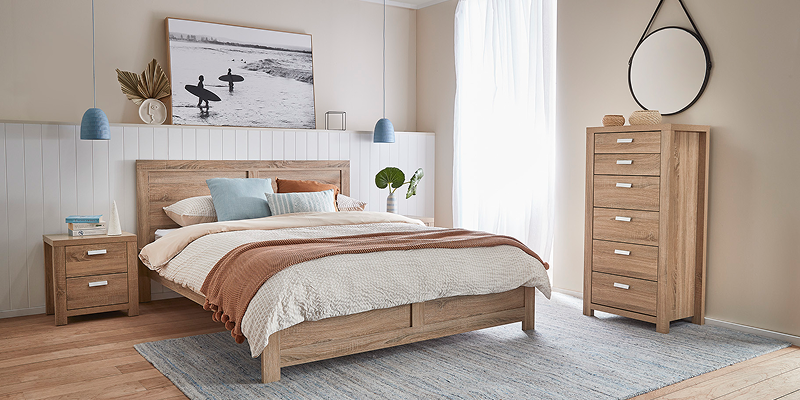
You don't need crystals, a compass or years of study to bring better Feng Shui into your bedroom. Strip away the mystique, and Feng Shui bedroom design is just thoughtful room arrangement that makes the space feel calm, balanced and easy to move through.
This is a practical guide to bedroom Feng Shui, from bed placement and furniture layout to mirror positioning and styling, so you can create a space that supports better rest — no spiritual transformation required.
Key takeaways
- Feng shui bedroom design is about creating balance, flow and a sense of calm.
- Bed placement is one of the most important factors to get right.
- Reducing clutter and keeping pathways clear makes a noticeable difference.
- Soft textures, calming colours and natural materials all support better rest.
- You don't need a full renovation for a good Feng Shui bedroom. Small changes go a long way.
What is Feng Shui in a bedroom?
Bedroom Feng Shui is the practice of arranging furniture and décor to create a balanced, calming and comfortable environment. It's an ancient Chinese philosophy built around the idea that the layout of a space affects the energy — or flow — within it. In modern homes, it translates to something much simpler: a room that feels considered rather than chaotic.
Bedrooms get particular attention in Feng Shui because that’s where you rest and recharge. The Feng Shui of bedroom spaces usually focuses on three things:
- What you can see from the bed.
- How easily you can move around the room.
- How cluttered or open the space feels.
Get these right, and the rest of the styling tends to fall into place.
Feng Shui bedroom rules to follow
A handful of simple Feng Shui bedroom rules cover most of what matters:
- Reduce clutter: Visual noise makes a room feel chaotic, even if it's tidy on the surface. Keep surfaces clear and store everyday items out of sight.
- Create symmetry: Matching bedside tables and balanced furniture on either side of the bed make a room feel more settled than an asymmetrical layout.
- Use calming colours: Soft, muted tones tend to work better in a bedroom than bright or busy palettes.
- Avoid overcrowding: Too much furniture in a small room disrupts flow, even if every piece is useful on its own.
- Maintain clear pathways: You should be able to walk around the bed and reach the door without squeezing past furniture.
If storage is standing between you and a good Feng Shui bedroom, a mix of under-bed storage and bookcases or shelving can clear surfaces without sacrificing space.
The best Feng Shui bedroom bed placement
Most Feng Shui guidance starts with bed placement because it has the biggest impact on how a room feels.
The classic principle is the “command position” — positioning the bed so you can see the door from where you lie, without being directly in line with it. This is meant to create a sense of security rather than to make you feel exposed.
A few other points matter for bedroom Feng Shui bed position:
- Avoid placing the bed directly in line with the door, even if it's not the closest wall.
- Steer clear of awkward angles, such as a bed pushed into a corner or wedged under a sloped ceiling, which disrupts the sense of balance.
- Leave equal space on both sides of the bed where possible, even if one side is purely for symmetry.
- Avoid positioning the bed directly under a window, which can feel exposed and unsettled.
Balanced bedside tables, paired with the right bed for your room size, make it easier to achieve positive energy placement in any Feng Shui bedroom. To ensure complete comfort, explore our guide on choosing the right mattress.
Feng Shui bedroom layout ideas
There's no single Feng Shui bedroom layout that works for every room. The right approach depends on the shape of the space, where the doors and windows sit and how much room you've got to work with. A simple Feng Shui bedroom chart or floor plan sketch can help before you start moving furniture around.
Standard bedroom layout
In a standard rectangular bedroom, the bed usually sits against the wall opposite the door, ideally with a clear line of sight to the entrance. Bedside tables flank the bed symmetrically, with wardrobes or drawers positioned along a side wall to keep the centre of the room open.
Small bedroom Feng Shui layout
A small bedroom Feng Shui layout relies on scale rather than quantity. Choose a bed sized appropriately for the room, opt for slimline bedside tables and use wall-mounted shelving instead of freestanding furniture wherever you can. For more ideas, check out our guide to designing a small bedroom.
Bedroom with an awkward layout
Sometimes a room's shape works against the rules. A wall taken up by a built-in robe, a window where the bed would ideally sit, or an odd-angled ceiling can all force compromises. When that happens, prioritise the bed position above everything else and let the rest of the layout adapt around it.
Bedroom with multiple doors
Bedrooms with an ensuite or walk-in robe often have more than one door to consider. Position the bed so it has a clear view of the main entry, and avoid placing it directly in line with either door if you can help it. Take a look at our guide to ensuite bedroom ideas for more guidance.
Feng Shui bedroom mirror placement
Feng Shui bedroom mirror placement can be a common sticking point because of the key rule: avoid positioning a mirror directly facing the bed. The idea is that a mirror facing the bed can feel unsettling, particularly if you catch your reflection as you wake or fall asleep.
If you need a mirror in the room, position it on a side wall instead, or choose one that can be angled away from the bed. Wardrobes with built-in mirrors are worth checking for this reason, but if yours face the bed directly, consider whether they can be repositioned or kept closed at night.
This doesn't mean mirrors are off-limits altogether. They're genuinely useful for opening up small rooms, but consider placement carefully before you rush in.
Feng Shui bedroom design tips
Beyond layout, a few styling choices reinforce a good Feng Shui bedroom arrangement:
- Balanced furniture placement: Beyond the bed, look at how other pieces sit in the room. Wardrobes, chests of drawers and seating feel more settled when they're evenly distributed rather than clustered on one side.
- Layered textures: A mix of throws, cushions and a soft rug underfoot adds warmth without adding clutter.
- Lighting: Harsh overhead lighting works against a calm atmosphere. Lamps or dimmable fixtures give you more control over the mood.
- Natural materials: Timber furniture and natural fibres tend to feel more grounding than glossy or synthetic finishes.
- Feng Shui plants in bedroom spaces: A single low-maintenance plant can soften a room, though it's worth keeping bedrooms relatively plant-light compared with living areas, since some Feng Shui guidance favours a calmer, less stimulating space for sleep.
Common bedroom Feng Shui mistakes
These pitfalls are responsible for most bad bedroom Feng Shui.
- Excessive clutter: Surfaces piled with items, overflowing drawers or stacks left on the floor.
- Poor bed placement: Beds wedged into corners, directly in line with the door or pushed under a window.
- Oversized furniture: Pieces that overwhelm the room and block easy movement.
- Harsh lighting: Bright overhead lights with no softer alternative.
- Imbalanced arrangement: One side of the room heavily furnished, while the other feels empty.
Most of these are easy enough to fix without buying anything new. It's often a matter of rearranging what you've already got.
Bring better balance to your bedroom
Good Feng Shui bedroom design comes down to a few practical habits: thoughtful bed placement, a balanced layout and a bit of restraint when it comes to clutter. None of it requires a complete overhaul — small, deliberate changes are often enough to make a room feel calmer.
Explore Fantastic Furniture's range of bedroom furniture packages and bedroom storage to start building a calm and restful Feng Shui bedroom today.
FAQs
What is the best Feng Shui bedroom layout?
There's no single best layout, but most good Feng Shui bedroom layouts share the same fundamentals: a bed in the command position with a clear view of the door, symmetrical furniture on either side and enough open floor space to move around easily.
Where should a bed be placed in Feng Shui?
Ideally, the bed should be positioned so you can see the door from where you lie, without being directly in line with it. Avoid placing the bed under a window or wedged into an awkward corner.
Is a mirror bad Feng Shui in a bedroom?
Not inherently, but a mirror placed directly facing the bed is generally avoided in Feng Shui. Positioning mirrors on a side wall, or angling them away from the bed, is the more common approach.
Can you Feng Shui a small bedroom?
Yes. Small bedroom Feng Shui relies more on scale and restraint than extra furniture — prioritising bed placement, choosing appropriately sized pieces and keeping the floor as open as possible.