How Often Should You Change Your Pillows? | Replacement Guide Australia
Most people know when their mattress needs replacing, but pillows? They're easy to ignore until you're waking up with headaches or a crick in your neck. Knowing how often to change your pillows can help prevent problems before they start.
Your pillow does more work than you think. It keeps your neck aligned, supports your spine and can determine the quality of your sleep. Most people replace their mattresses when they start sagging but forget about pillows, even though they break down just as fast.
From hygiene concerns and allergy triggers to changes in support and shape, old or worn-out pillows can affect comfort, posture and overall wellbeing.*
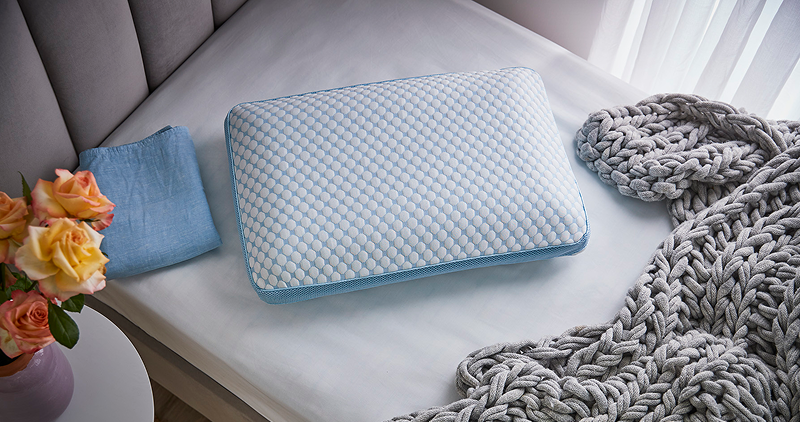
This guide covers how long pillows typically last, the signs they need replacing and how to extend their lifespan. You'll learn when to invest in new bedding and how to choose pillows that match your sleep style and budget.
Key takeaways
- Replace pillows every 1–2 years to maintain support and comfort.
- Most pillows lose support and accumulate dust mites within 18 months.
- Use the fold test to check if your pillow has lost its shape.
- Dust mites and bacteria build up over time and affect sleep quality.
- Memory foam and latex last around 2–3 years, while synthetic and microfibre pillows need replacing after 12–18 months.
Why does pillow replacement matter?
"Pillows are one of those everyday items we rarely think about, yet they have a big impact on sleep quality, posture and hygiene," says Sarah Langstaff, Interior Designer at Studio Lifestyling.
A worn-out pillow can create real problems:
- Spinal misalignment: An unsupportive pillow can fail to hold the neck and spine in a neutral line, leading to stiffness or chronic pain.*
- Poor sleep quality: Discomfort often results in tossing and turning, leading to restless nights and daytime fatigue.*
- Hygiene concerns: Over time, pillows collect sweat, body oils and bacteria.
- Allergy triggers: Old pillows are a magnet for dust mites, which can aggravate asthma and cause symptoms like sneezing and congestion.*
How long should a pillow last?
Pillow lifespan depends on what's inside. Some materials hold up better than others, and your upfront cost should factor in how often you'll need replacements. Here is what you can expect from each material type.
| Pillow Type | Typical lifespan | Notes |
| Memory foam | 2 years | Retains shape but is sensitive to heat and pressure. |
| Latex | 3 years | Naturally resilient and hypoallergenic. |
| Microfibre | 12–18 months | Affordable but compresses quickly. |
| Feather/down | Up to 3 years | Can be fluffed back into shape. |
| Gel | 1–2 years | Provides cooling support but may flatten over time. |
Signs you need a new pillow
While most pillows need replacing every 1–2 years, your body will often tell you when it's time for a refresh. Langstaff says you should replace your pillow if you are experiencing any of the following:
- The fold test: Fold your pillow in half. It should spring back to its original shape immediately. No spring? The internal structure has collapsed.
- Morning pain: A stiff neck or tension headache when you wake up is a sign that your pillow no longer maintains your spinal alignment.*
- Visible wear and tear: Lumps, flat spots or permanent yellowing are clear signs that both the structure and hygiene have failed.
- Allergy symptoms: If you find yourself sneezing or congested only when you wake up, there's a good chance your pillow is harbouring dust mites.
If any of the above sound familiar, browse Fantastic Furniture's pillow range to find your next one.
Tips on extending your pillow's life
No pillow lasts forever (nor should it!), but your maintenance routine and sleeping habits can affect how long you get out of each one.
These habits make the biggest difference to your pillow's lifespan:
Use a pillow protector
A pillowcase alone isn't enough to block moisture. To maximise longevity, Langstaff recommends using a quality pillow protector to act as a barrier against sweat, oils and dust mites. These protectors are easier to wash than the pillow itself and prevent the internal filling from absorbing fluids that cause yellowing and material breakdown.
Wash regularly
Hygiene and material health go hand-in-hand. Langstaff says to "wash pillowcases weekly and give pillows a regular sun airing to keep them fresh and reduce moisture build-up." The UV rays from the sun act as a natural disinfectant, helping to kill bacteria and refresh the fibres without the need for harsh chemicals.*
Daily maintenance
Don't wait for your pillow to go flat to take action. Regularly fluffing your pillows by hand helps maintain their loft (the height and airiness of the filling) and keeps the fill evenly distributed instead of clumping in one corner. An evenly distributed pillow means better support for your neck.
Need some inspiration for your sleep setup? Read our guide on how to style a bed.
Watch your sleeping habits
Sleeping positions and habits can impact how quickly a pillow wears out.
- Sweaty sleepers: Moisture from sweat can accelerate the breakdown of filling.
- Face sleepers: Pressure on the pillow can cause flattening and misshaping.
- Side sleepers: Weight is concentrated on one side, compressing the filling faster.
- Heavy vs light sleepers: Heavier sleepers may notice sagging sooner than lighter sleepers.
Can old pillows affect back or neck pain?
The short answer is yes. An old or sagging pillow can misalign the neck and shoulders, causing uneven pressure and discomfort.*
Replacing your pillow proactively helps maintain proper spinal alignment.* Pair it with the right mattress and bed base for maximum support.
Learn more about mattress support in our guide to the best mattresses for back pain.
Pillow refreshment schedule: A simple guide
Most people forget when they purchased their pillows and end up using them for 4–5 years without realising. Set a reminder to check your pillows every six months. Here's what to do:
- Every 6 months: Do the fold test and check for lumps or flat spots. Inspect for yellowing or odours.
- At 12 months: Replace synthetic and microfibre pillows. Evaluate memory foam pillows for compression.
- At 18 months: Replace most standard pillows unless they're still passing the fold test and you're sleeping pain-free.
- At 24–36 months: Replace latex, down and feather pillows if they've lasted this long.
Pair new pillows with fresh pillowcases and bedding for a complete refresh.
Refresh your pillows with Fantastic Furniture
Old pillows affect more than just your comfort. They can disrupt your sleep, trigger allergies and cause unnecessary neck pain.* Regular maintenance, the right pillow type and awareness of sleeping habits can extend their lifespan, but ultimately replacing them every 1–2 years is the best way to improve hygiene, sleep quality and comfort.
If it's time for an upgrade, explore Fantastic Furniture's range of pillows and bedding essentials to give yourself the best chance at a good night's sleep.
FAQs
How long should a pillow last?
Most pillows last 18–36 months, depending on the fill. Feather or down pillows last up to three years. Memory foam lasts around two years. Synthetic pillows need replacing after 12–18 months.
How do I know if my pillow is too old?
Check for lumps, flat spots, yellowing or musty smells/try the fold test, and if your pillow doesn't spring back, it's done. Waking up with a stiff neck or headaches is another clear sign.
Do memory foam pillows last longer?
Not necessarily. Memory foam holds its shape well initially but breaks down faster with heat and pressure. Most memory foam pillows need replacing around the two-year mark.
Should you wash or replace pillows more often?
Yes, but it won't fix structural breakdown. Fluff pillows daily, use pillow protectors, wash pillowcases weekly and air pillows in the sun. These habits can extend their lifespan, but you'll still need to replace them to maintain support and hygiene.
Can an old pillow cause neck pain?
Yes. Old or sagging pillows can misalign your neck and spine, leading to discomfort, poor sleep quality and morning stiffness.*
What's the best pillow type for side sleepers?
Side sleepers need firmer, higher-loft pillows to fill the gap between their head and mattress. Memory foam and latex pillows work well because they maintain support and don't flatten as quickly.
How often should you replace pillows if you have allergies?
Replace them every 12–18 months if you have allergies or asthma. Dust mites accumulate faster than pillows break down structurally, so more frequent replacement keeps allergen levels low.
*This information is for educational purposes only and should not replace medical advice. If you're experiencing sleeping issues or pain, consult a healthcare professional.