How Often Should You Change Your Mattress? | Replacement Guide Australia
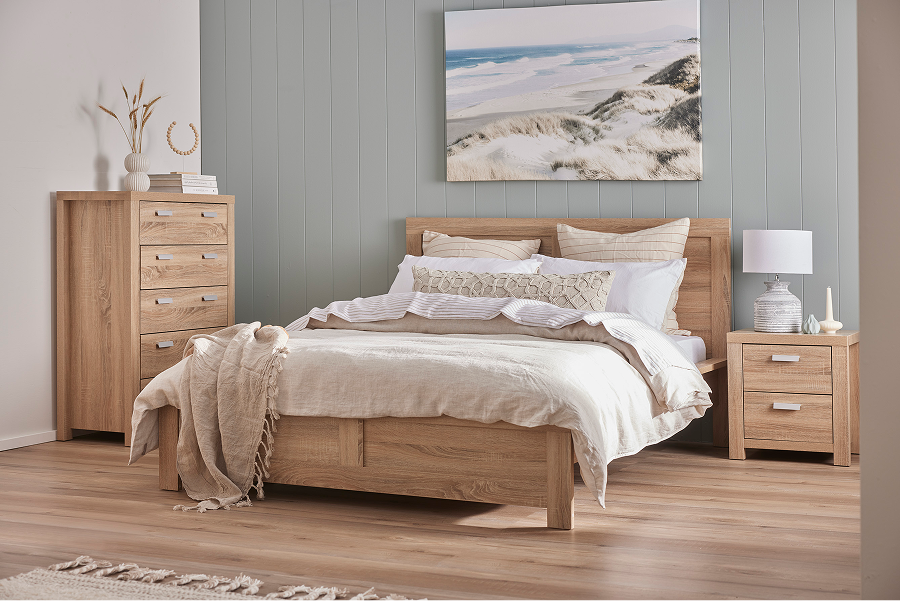
Your mattress is more than just a place to sleep — it’s the foundation of how well you rest, recover and wake up feeling ready for the day. Over time, even high-quality mattresses wear down, which can affect comfort, support and hygiene.
Replacing your mattress when the time is right can help improve your sleep, protect your health and give you the best chance at a restful sleep.*
In this guide, we’ll cover average mattress lifespan, key replacement signs and practical care tips that’ll help you sleep better for years to come.
Key takeaways
- Most mattresses last 7–10 years depending on materials and how you use them.
- You may need to replace it sooner if you notice sagging, wake up in pain or struggle to sleep.
- Look for lumps, sagging, noise and worsening allergies as replacement signs.
- A quality mattress supports your spine properly and helps improve sleep quality.*
- Rotating your mattress and using a quality bed base can extend its lifespan by 2–3 years.
How long does a mattress last on average?
Most people don’t think about replacing their mattress until something feels wrong. Mattress durability comes down to two main factors: the density of the foam and the strength of the internal springs.
Memory foam, spring and hybrid mattresses
- Latex: 10+ years. Natural latex is extremely resilient, though comfort layers may compress over time.
- Memory foam: 7–9 years. Offers pressure relief but can soften or sag, especially in warmer climates.
- Innerspring: 6–8 years. Coils lose support as internal components wear.
- Hybrid: 8–10 years. Combines foam and springs for balanced durability.
Check for dips, uneven surfaces or sagging every few months. If you're thinking about changing sizes, read our guide to Australian mattress sizes to ensure the best fit.
What are the signs it’s time to replace your mattress?
Physical wear
Visible dips, sagging or uneven surfaces can throw your spine out of alignment. Springs that creak or squeak are often a sign of internal wear.
Sleep and comfort issues
If you wake up sore, stiff or toss and turn, your mattress may no longer be supporting you properly. Poor sleep quality can contribute to fatigue, irritability and chronic pain.*
Learn more in our guide to choosing the best mattress for back pain.
Bed hygiene concerns
Mattresses trap sweat, dust, dead skin cells and allergens. Over time, buildup can worsen allergies or asthma.*
Upgrading your mattress is also a good time to check your bed frame. Good base support improves airflow, comfort and longevity.
Complete your sleep setup with bedding and pillows.
How to extend the lifespan of your mattress
Rotate and flip regularly
Rotate your mattress every 3–6 months to prevent uneven wear. Some mattresses are also flippable.
Use protectors and proper support
Mattress protectors and toppers shield against spills, dust and allergens.
Pair your mattress with a supportive bed frame to improve airflow and reduce moisture damage.
Clean it occasionally
Occasional vacuuming or professional cleaning removes dust mites and allergens.
Replacing children’s and guest mattresses
Children’s mattresses
- Growth changes: Replace every 6–8 years as support needs evolve.
- Physical wear: Play and jumping accelerate wear.
- Hygiene: Stains and odours are signs it’s time for replacement.
Guest beds
- Dust and allergens: Even unused mattresses collect debris.
- The comfort test: If springs are felt or support is weak, replace it.
What to do with your old mattress
- Council pickup: Check local hard rubbish collection.
- Mattress recycling: Many programs recycle up to 75% of materials.
- Donation: Charities accept mattresses in good condition.
Find the right mattress at Fantastic Furniture
Replacing your mattress at the right time improves comfort, hygiene and sleep quality.
Many Fantastic Furniture mattresses are Australian‑made and designed for local conditions. Get inspired with our tips on how to style a bedroom .
Ready for an upgrade? Explore our range of mattresses and bed frames .
FAQs
How often should you replace your mattress in Australia?
Every 7–10 years depending on mattress type and usage.
How often should you change a mattress protector?
Every 1–2 years or sooner if worn or stained.
What are the signs you need a new mattress?
Sagging, discomfort, creaking springs, allergies or restless sleep.
Can a mattress last 20 years?
Unlikely. Comfort and support typically decline well before that.
*This information is for educational purposes only and should not replace medical advice.