Bed Base vs Bed Frame | What’s the Difference & Which Is Best?
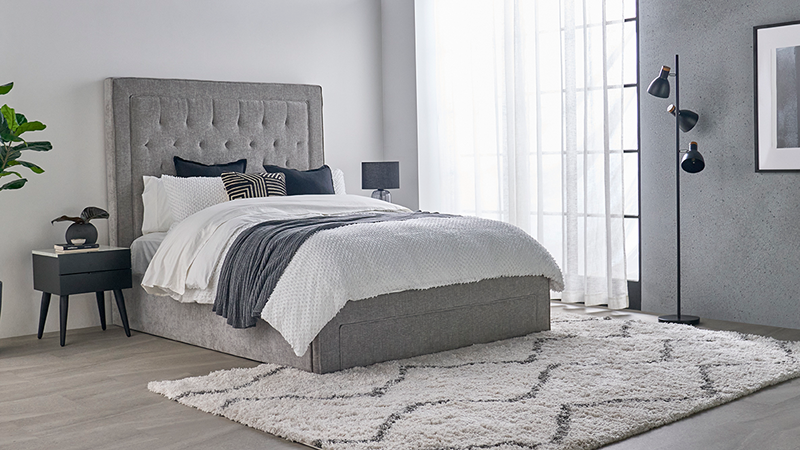
Whether you're furnishing a new home or upgrading an existing setup, here's everything you need to know to choose the right bed foundation for your bedroom.
Key takeaways
- A bed base focuses on mattress support and simplicity.
- A bed frame adds structure, style and often storage.
- Both affect mattress lifespan and comfort.
- Slat spacing matters for mattress support foundation.
- The right choice depends on space, style and budget.
What is a bed base?
A bed base is a sturdy, low-profile platform that supports your mattress without any extra bells and whistles. Because it matches the exact footprint of your mattress, it's the ultimate space-saver for smaller Australian bedrooms and offers a clean, "barely-there" look that makes a room feel more open.
Types of bed bases
- Ensemble bases: Fabric-covered box bases that pair neatly with a matching bedhead. These are one of the most popular choices in Australian bedrooms, offering a seamless, hotel-style look straight out of the box.
- Platform bases: Simple, flat surfaces with solid or slatted tops.
- Gas-lift bases: Feature a hydraulic lift mechanism that reveals hidden storage. underneath, perfect for stashing spare linen or seasonal items.
Pros of a bed base
- Generally more affordable than a full bed frame.
- Fits neatly into tight corners and smaller rooms.
- Offers very even, consistent mattress support foundation.
- Gas-lift options provide clever hidden storage.
Cons of a bed base
- No built-in headboard to lean against.
- Can look plain without additional styling (e.g. a separate bedhead or cushions).
- Lower profile means less under-bed clearance for storage bins or drawers.
What is a bed frame?
A bed frame is a mattress foundation that helps anchor your entire bedroom. Unlike a simple base, a bed frame typically includes a headboard, footboard and side rails that cradle your mattress and elevate it off the ground. The extra height also improves airflow underneath, which helps keep your mattress fresher for longer.
Bed frames come in a wide range of materials and styles, from warm timber and industrial metal to luxuriously upholstered finishes, making them the go-to choice for anyone who wants their bed to be the visual centrepiece of the room. If you're furnishing a larger room, a king bed foundation can completely anchor the space.
Pros of a bed frame:
- Instantly anchors and elevates your bedroom décor.
- Built-in headboard provides a comfortable backrest for reading or watching TV.
- Raised height creates airflow under the mattress and clearance for under-bed storage.
- Available in a huge variety of styles to suit any aesthetic.
Cons of a bed frame:
- Requires more floor space than a base.
- Full assembly is usually required.
- Generally, a higher upfront investment.
- Slat spacing needs to be checked for mattress compatibility.
Bed base or frame comparison: key differences
Choosing between a bed base vs bed frame comes down to your space, style and budget. Both are supportive mattress foundations, but they do it in very different ways. Here's how they stack up across the features that matter most.
| Feature | Bed Base | Bed Frame |
| Look | Minimalist / Hidden | Decorative / Statement |
| Space | Compact footprint | Requires more floor space |
| Height | Low profile | Raised off the ground |
| Assembly | Minimal to none | Full assembly required |
| Storage | Internal (if gas-lift) | Under-bed clearance |
| Cost | Generally lower | Generally higher |
| Best for | Small spaces, minimalist style | Larger rooms, style-focused bedrooms |
Expert tip: If you opt for a slatted foundation — whether on a base or a frame — make sure the slats are no more than 7–8 cm apart. Wider gaps can cause your mattress to sink between slats over time, leading to uneven wear and poor back support.
Do you need a mattress base?
A mattress foundation is essential to the health and longevity of your mattress. Placing a mattress directly on the floor might seem like a budget-friendly shortcut, but it creates a range of problems that can cost you more in the long run.
Here's why a proper foundation matters:
- Airflow: A mattress on the floor has nowhere for moisture to escape. This trapped humidity creates the ideal conditions for mould and mildew to develop — not something you want to be sleeping on.
- Hygiene: Floor level is prime territory for dust and allergens. A foundation lifts your mattress out of that zone, which is especially important for allergy sufferers.
- Mattress warranty: Many mattress manufacturers require a suitable base or frame for their warranty to remain valid. Skipping the foundation could void your coverage entirely.
- Durability: A proper foundation distributes weight evenly and prevents premature sagging, helping your mattress last years longer.
In short, the money you save by skipping a base or frame is rarely worth the cost of replacing a mattress early.
Not sure if your current setup is still doing its job? Check our guide on how often you should replace your mattress.
How to choose between a mattress base vs bed frame
Choosing the right bed foundation vs frame comes down to your room, your routine and your budget. Work through this checklist to find your best fit:
- Room size: If you're working with a compact bedroom, a slim bed base is a great space-saver. If you have plenty of room to move, a large bed frame or king bed foundation can help ground the space. As a general rule, leave at least 60–90 cm of clearance on either side of the bed for comfortable movement.
- Storage needs: Need somewhere to stash spare linen, kids' toys or out-of-season clothes? Look for a bed frame with high clearance for under-bed tubs, or a storage bed.
- Budget: If you're looking for an affordable, high-quality solution that focuses purely on support, a bed base is usually the most budget-friendly pick.
- Style preference: If you want a built-in headboard to lean against while reading, a bed frame is the way to go. For a minimalist, modern look, stick with a simple base. Either way, make sure the style complements your existing bedroom furniture.
- Mattress type compatibility: Always check your mattress manufacturer's guide. Some heavier mattresses require specific slat spacing or a solid mattress support foundation to maintain their shape and warranty. If you need help picking the right one, read our guide on how to choose a mattress and our mattress size guide.
Ready to find your perfect bed foundation?
Whether you choose a minimalist bed base for a clean, space-saving look or a statement bed frame to anchor your dream bedroom, the right mattress foundation is what keeps your mattress performing at its best, night after night.
By prioritising proper support and airflow, you're not just decorating a room. You're investing in better sleep.
Ready to find the right fit? Explore Fantastic Furniture's range of beds and mattresses and start building your ideal sleep setup today.
FAQs
Do I need a mattress base?
Yes, a mattress foundation or frame is strongly recommended. Without one, your mattress sits directly on the floor, restricting airflow, attracting allergens and potentially voiding your mattress warranty. A proper foundation also significantly extends the life of your mattress.
Is a bed frame better than a bed base?
Neither is universally better, it depends on your needs in this bed base or frame comparison. A bed frame wins on style, height and under-bed accessibility. A bed base is often the better pick for compact spaces, simpler aesthetics and tighter budgets.
Can I put a mattress directly on the floor?
We don't recommend it. Without airflow underneath, moisture becomes trapped in the mattress, which can lead to mould, mildew and a faster breakdown of materials. It also tends to attract dust and allergens at floor level.
Do bed frames affect mattress lifespan?
Yes. A well-chosen bed foundation vs frame provides even support that prevents sagging and premature wear. The raised height also improves ventilation, keeping the mattress drier and fresher, both of which contribute to a longer lifespan.