The Ultimate Guide to Ambient Lighting: What It Is and How to Use It
You've got all the furniture and decor you want in your home, but something still feels off. You come home after work, flick on the big light and the room just doesn't feel comfortable. Nine times out of ten, the problem is your lighting setup.
Ambient lighting fixes this by replacing harsh overhead light with softer sources around the room. Here's how to create it in your home and why it makes such a difference to how your space feels.
What does ambient lighting mean?
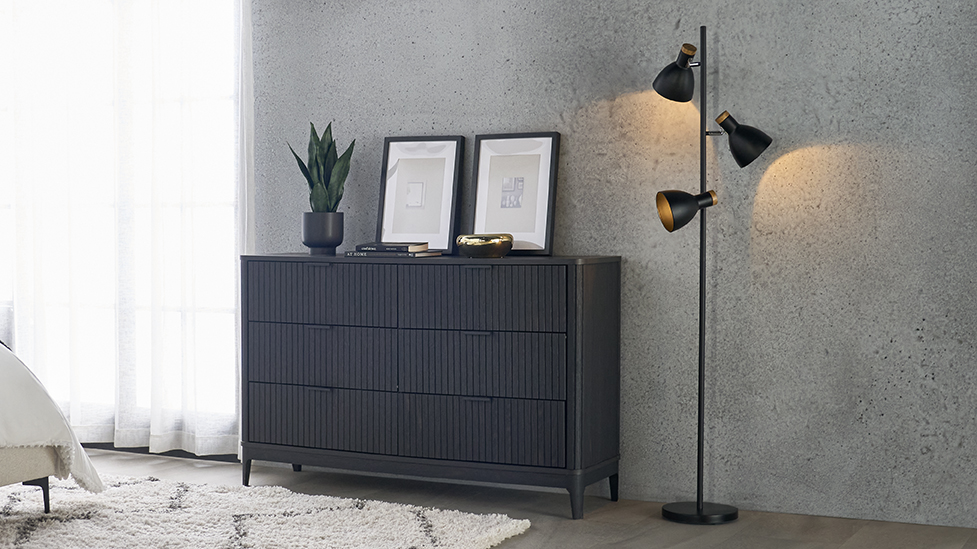
Ambient lighting is the soft, glowy light that sets the mood — or ambience — in a room. Entering an ambient room often feels calm, soothing and inviting, much like stepping into a high-end hotel lobby or cozy restaurant lounge.
Most ambient setups layer lighting from different sources rather than a single overhead bulb. This can be created from strategically-placed lamps, wall-mounted lights, or dimmable overhead lights.
So if you can't put your finger on why your room feels weird, start with how it's lit.
The role of colour temperature in ambience
The colour of your lighting has a big impact on how a room feels — not just how it looks. That’s because different light temperatures affect us on a psychological level. A study on indoor lighting and colour temperature found that warm white light led to lower levels of tension and anxiety, while enhancing feelings of visual comfort.
Warm light leans more orange and feels cosy and relaxing — think candlelight or a sunset. It’s perfect for winding down, watching a movie or having people over.
Render3DQuick Co-owner Alex Smith has seen this in action: “We updated a client's living room from cool white overheads to warm LED strips and table lamps. The furniture didn't change, but the mood did. Suddenly the room felt like a space to relax — not a workspace.”
Cool light, on the other hand, is brighter and more energising — more like daylight. It works well in kitchens and bathrooms, but you’ll need to be more careful in living areas.
That doesn’t mean it’s off-limits, though. Many modern homes use cool-toned ambient lighting and still feel relaxing because the light is dim and diffused rather than coming from one bright source.
How to create ambient lighting in the living room and beyond
After the day’s done, there’s nothing better than coming home and kicking your feet up. Here’s how to use lighting to make your space feel just right for relaxing.
Have multiple light sources
If one lamp has the power to change your space, imagine how much multiple can do? The point is to avoid any single source dominating, so there are fewer harsh lines around the room. Here are some different types of lights that could work in your home:
- Table lamps for side tables or shelves.
- Floor lamps for corners or beside the sofa.
- Pendant lights for gentle downward light over areas like the dining table.
- Ceiling and wall lights for an overhead option that isn’t as harsh.
- Lanterns for creating ambience when entertaining or unwinding.
Pick the right bulbs
Temperature matters — we covered this earlier — but so does brightness. Look for bulbs with lower lumens (light output) if you want your room to feel moody. 470–805 lumens works well for table lamps, while floor lamps can handle 805–1520 lumens depending on their size and shade.
You don't want your ambient lights to be as bright as task lighting. The goal is gentle illumination that layers together, not individual bright spots.
Layer lights for different tasks
Mood lighting sets the tone, but your space still needs to be practical. That’s where layering comes in. Combine soft lighting with brighter task lighting in the spots you need it.
As Adam puts it: “You want lighting that adapts with you. Dim things down at night. Turn on focused lights when you need to get something done. Your lighting should change with your routine.”
Dimmable fixtures are especially handy here, letting you tweak the brightness instead of switching between lights altogether.
Arrange your lights
Once you've got your fixtures sorted, placement makes all the difference.
Adam recommends placing lights at different heights: “Think about how light fills the space — not just from above, but from beside and below eye level too. That layering adds softness and depth.”
Spread lights around the room rather than clustering them in one area. Put table lamps on opposite sides of the room, add a floor lamp in a corner and use wall lights or pendants to fill in gaps.
Mood lighting other parts of your home
Contrary to popular belief, ambient light isn’t just for the living room and bedroom. When done right, it works just as well in dining rooms, kitchens and even bathrooms.
In the dining room: Use a pendant with a dimmer and add a lamp to the sideboard.
In the kitchen: Keep overhead lights on for cooking, but add a lamp to the bench to warm things up after hours.
In the bathroom: Keep the overhead light for primping, but add a lamp and some candles for a relaxing bath.
Shop ambient lighting at Fantastic Furniture
The right lighting can make your home feel more comfortable, more welcoming and more yours. It’s a small change that makes a big impact.
At Fantastic Furniture, we’ve got all the lights you need to build the perfect ambient setup. Shop lighting online, or visit us in-store to see options in person.
FAQs
What is the difference between ambient lighting and normal lighting?
When people say ‘normal lighting,’ they probably mean the big light on the ceiling. Ambient lighting is the effect created by leaving the big light alone and instead using lamps and other light sources to light the room.
What is ambient lighting vs mood lighting?
Most people use ambient and mood lighting interchangeably, but they’re subtly different. Ambient lighting is the general soft light that fills a room, while mood lighting is used to create a specific feeling.
How do I create ambient lighting in the living room?
The quickest way to create ambient lighting is to avoid the big light and instead use multiple sources, like lamps, with warm bulbs.
What is ambient lighting in outdoor settings?
Outdoor ambient lighting is soft, diffused lighting designed to light up patios, gardens or pathways.